
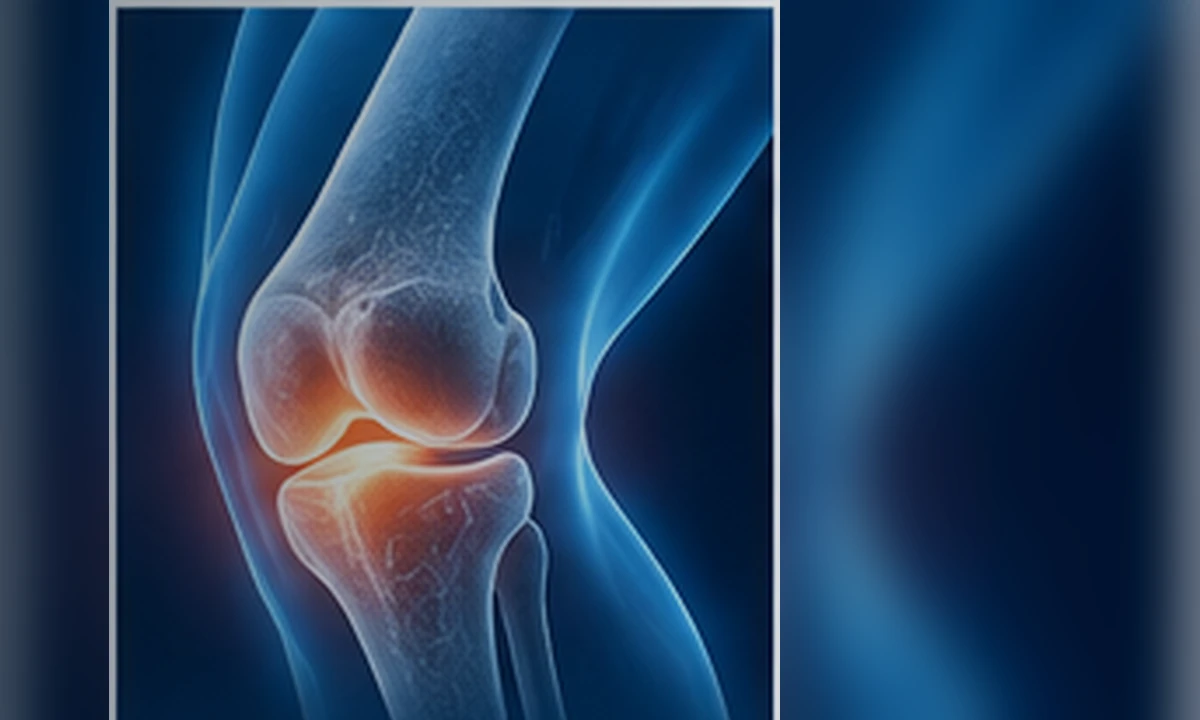
International access pending
- Public clinical pathway
- Identified in credible public sources
- Foreign-patient intake
- Direct confirmation in progress
- Hospital medical review
- Required before any plan
- Online price
- Not published until formally verified
Pathway overview
Public reporting describes a human umbilical-cord mesenchymal stem-cell clinical translation/application pathway for knee osteoarthritis in a designated institution. Suitability depends on diagnosis, clinical severity, imaging, previous treatment and physician assessment.
This page is not a treatment offer.It explains a pathway under verification. It does not confirm that you are eligible or that the current program is accepting international patients.
Information likely required for review
- Orthopaedic or rheumatology diagnosis
- Recent weight-bearing knee X-rays
- Knee MRI where available
- Clinical grade or severity assessment
- Pain and function history
- Previous physiotherapy, injections or surgery
- Medication, infection and cancer history
What happens after submission
- RMC checks the case summary and missing records.
- Where a credible route exists, the case is prepared for an appropriate medical institution.
- The hospital decides whether consultation, further testing or in-person assessment is warranted.
- A formal plan and fee structure, if applicable, should come after medical review.
Evidence and limitations
Cell and regenerative therapies may have condition-specific evidence, eligibility rules, risks and uncertainties. Results from a study population do not predict an individual outcome. Standard treatment options should also be discussed with a qualified physician.
Public sources used for pathway identification
- Hainan government — frontier biomedical projectsOfficial public reporting identifying a knee osteoarthritis clinical translation/application project.
- Hainan science project listPublic research and real-world evidence project information.